METAMOURS & STRUCTURES
Living ENM Q&A
Love and life from the perspective of a "solo polyamorist"
Love and life from the perspective of a "solo polyamorist"
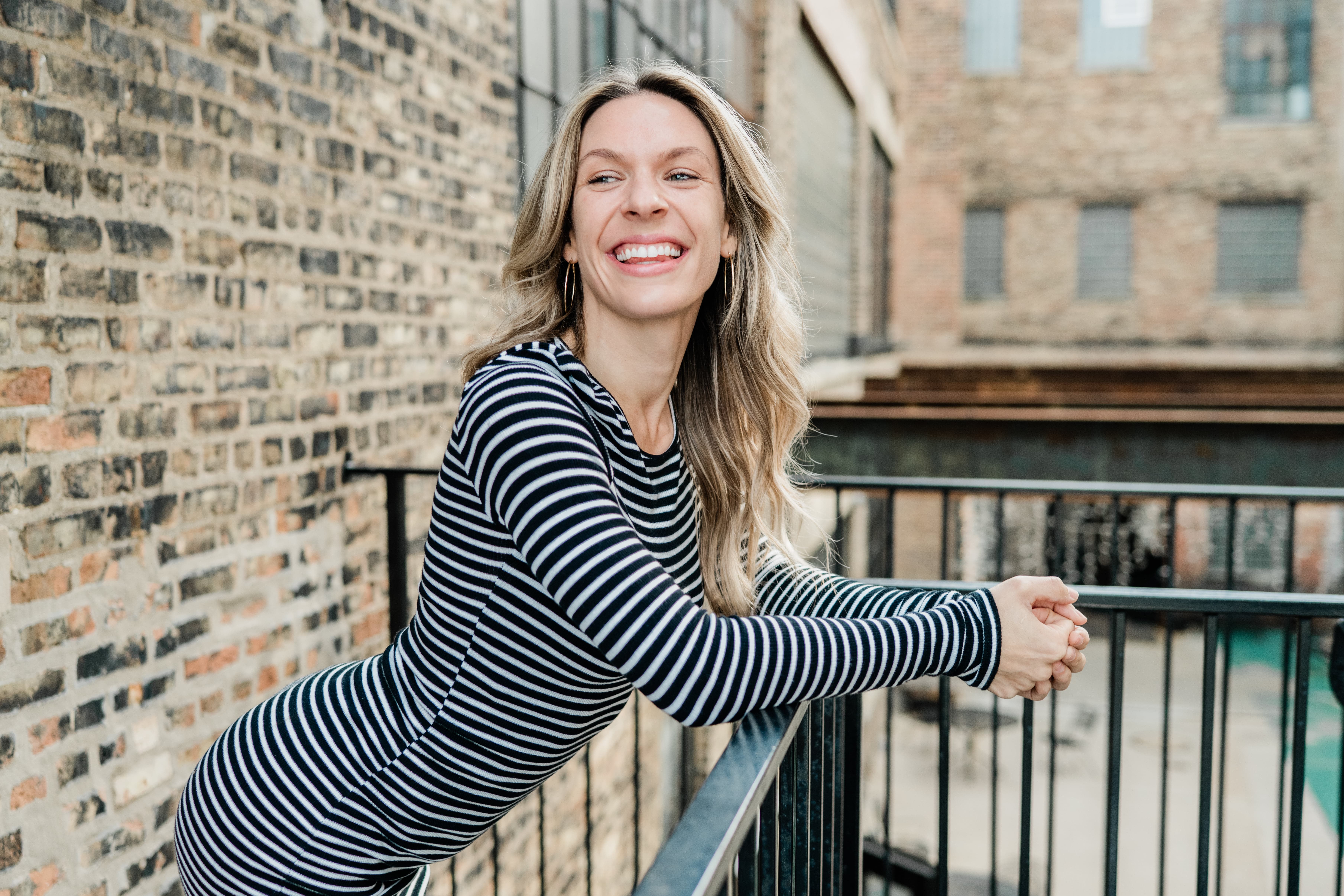
Last week I had the pleasure of hosting a panel called Living ENM, where I interviewed local community leaders with diverse relationship orientations about their experiences navigating non-monogamous relationships. I was there to represent “solo polyamory”, but in true therapist fashion, rarely answered the questions myself. I’m grateful for the warm reception from everyone who attended and per popular request, I’ve used this week’s Substack to share my answers.
Q: I think we can all agree that defining your relationship with a label in ENM can be tricky - but for marketing purposes, of course, I had each of you provide the label that best suits you - What label did you choose that best describes your relationship structure and philosophy and how would you best define what it means to you? What parts, if any, of your relationship aren’t reflected in that label?
A: I chose solo polyamory as the label that best suits me. The easiest way to define solo polyamory is that I am in a primary partnership with myself. However, for the past 8 months I’ve joked that I’m in a primary partnership with my business. Solo polyamory is distinct from other forms of polyamory in that solo polyamorists don’t have a desire for usually prescribed relationship escalator milestones such as cohabitation, marriage or children. Despite that, we still have a desire for deep, committed bonds and have the capacity to love multiple people. My intimate partners are aware of each other, but unlike in “Kitchen Table” polyamory, they have choice in how much they’d like to know about each other and whether or not they have a desire to meet one another - I don’t necessarily have a preference about how my partners interact with one another.
Solo polyamory doesn’t encompass my entire relationship orientation. Relationship anarchy is another label I use to describe my relationship practices, and it’s the philosophy I use as a guide in both my personal life and in my work with clients. My definition of relationship anarchy is that I reject traditional hierarchy among my relationships. For example, I don’t place romantic relationships above my friendships. And this is where describing myself as my “primary partner” doesn’t quite fit - because I have deep friendships that I am always working to prioritize just as much as my relationship with myself. Relationship anarchy prioritizes explicit expectations, boundaries and consent as opposed to labels. Relationship anarchy also resonates with me because I have many relationships which don’t fall into the usual distinct categories of “friends” “lovers” and “partners”.
Q: Tell us a bit about your ENM “origin stories” - what made you curious about ENM, and when did you begin practicing it?
A: There was never a point in my life where monogamy felt “natural” to me. I struggled with cheating in my relationships in high school and college - but it wasn’t just about the sex for me. Each time it happened, I had developed romantic feelings for multiple people. I also never ascribed to the idea of sex being reserved solely for romantic relationships - my first time having sex as a teenager was actually with a platonic male friend of mine. But with monogamy being the norm, I always felt like there was something “wrong” with me because I couldn’t seem to function in the relationships the same way as my peers.
When I was 22 I read the book “Sex at Dawn” and it changed everything for me. It validated my experience of feeling like I couldn’t make monogamy work, and made me feel like there was actually something “right” with me. But with Fetlife being the only place I could find other non-monogamous people at the time (this was when dating apps were just coming onto the scene, and Feeld was nonexistent). I was too afraid to ever meet anyone - so I continued on as a “serial monogamist”. When I was 23 I asked my partner at the time to open up our relationship and it didn’t go well - he called me a “whore” among many other nasty criticisms and broke up with me.
I attempted to have an “open relationship” with a partner when I was 25, but I couldn’t handle it emotionally. Once my feelings were deeper I asked to be monogamous because I was too afraid of what would happen if we didn’t become exclusive. When I was 27, I met my former partner who I began to explore nonmonogamy with. On our second date, we talked about how we didn’t believe in monogamy, but agreed to create some security in our relationship before beginning to explore with other people. Soon after I heard about “Feeld” through a sex positive facebook group for women. From there, we began exploring dating together, dating separately, and going to parties and clubs - our relationship structure was always very fluid and took many forms in the time we were together.
Q: Have any of your relationship structures or agreements changed since you began practicing ENM, and if so, how?
A: The relationship I began officially exploring non-monogamy was on again- off again- for a little over 3 years. It began as a primary partnership which started off as romantically monogamous. The beginning of our exploration was focused on new sexual experiences. But as I had more experiences, my own orientation shifted.
Looking back there’s a lot I would’ve done differently, but hindsight is 20/20 - and as I always tell my clients, you don’t know what you don’t know. My partner was supportive of me exploring with other women, but each time I was interested in a man he asked to close our relationship and “just focus on us” - after which I would soon begin receiving messages from women he was talking to behind my back. Eventually, I advocated for my needs more fiercely. Unfortunately his resistance translated into emotional meltdowns and criticism about my choices in partners, which made me hesitant to pursue these relationships because I didn’t want to deal with the emotional backlash.
My partner insisted that we move in together saying “If we’ve been together this long and we’re not living together, what are we doing?”. I was extremely hesitant to do this. I always pictured myself living alone, and this threat on my autonomy was nerve racking as all hell. So I compromised and allowed him to live with me in the short time his lease was up before mine as a “test run”, and we broke up shortly after. One of the major points of contention between us, aside from his inability to handle my interest in other men, was our reason for wanting to be nonmonogamous. After attending a few play parties I quickly realized I needed some degree of emotional connection and safety to enjoy sex with others. For him, it was all about the sex - to the degree that it seemed to be more about quantity than quality.
That break up was almost three years ago now, and shortly after I started to learn about solo polyamory and relationship anarchy. Since then, I’ve done a TON of therapy to get my nervous system in a spot where I can actually handle solo polyamory. Because without a desire for traditional relationship milestones, you question if anyone will actually accept that type of partnership from you or take it seriously. It’s also difficult to feel like you have real security and commitment in your relationship without those socially prescribed markers. Even though living together or being married doesn’t guarantee a relationship will last, we’re conditioned to believe that it does. At the very least, it makes it a lot more difficult to leave.
Q: What was the biggest challenge you faced when first exploring ENM and how did you overcome it?
A: The biggest challenge I faced was a lack of community and support. There was so much about my first non-monogamous relationship that wasn’t healthy, but I had no one to confide in who understood the unique nuances of my relationship. I truly believed that nobody would ever understand or accept me to the degree that my ex did because I experienced so much criticism and shame for my relationship with sex, and nobody in my circle was practicing non-monogamy. So I attribute the amount of time that I stayed in that relationship to my isolation.
I eventually overcame the isolation by putting myself out there and attending community events alone. The first event I attended alone was a BDSM workshop hosted by Skirt Club, which is a bisexual women’s club - where I met three of my best friends. Then, I attended the very first Slut’s Party alone, which is where I met more of my closest friends. The friends I made at these two events then welcomed me into their communities - and the rest was history. Since then, facing the unique challenges and stressors of non-monogamy has been so much easier, because I have trusted people in my life who actually understand what it’s like and have the experience necessary to support me.
Q: Do you experience any challenges in non-monogamy that seem to come up repeatedly - whether interpersonal or personal - what are they, and how do you manage it?
A: The challenge I face most often is my fear of abandonment. Being solo polyamorous, I often question if the amount I am willing to entangle myself with my partners will be enough for them. I am aware that the amount of autonomy I want to have in my relationships is considered abnormal, even to other people who practice ethical non-monogamy themselves. Some of that fear comes from past experience. I’ve dated people who I’ve explained my orientation to who at first, come off accepting and supportive - only to later find a partner to be monogamous with and drop me all together. The response to my hurt has been directly impacted by their own assumptions about my relationship orientation - that those who identify as solo poly are just “avoidant” or fear commitment - but nothing could be less true, especially about me. I long for deep, committed relationships, but without typical social markers and entanglement involved.
When my fear of abandonment gets triggered, I manage it by confiding in my closest friendships. I am lucky to have a best friend who is also solo poly, and we call each other our platonic life partners. Ironically, the day after I hosted Living ENM, a situation triggered this fear and I became overwhelmed with anxiety. Talking with her reminded me that even if my fears do come true, I’ll never be alone because I have her by my side. Prioritizing my friendships over romance has given me the sense of security that was the missing piece in living out the relationships I genuinely want for myself.
Q: Do you experience jealousy? How do you handle it?
A: I DO experience jealousy - it has come up for me even when I didn’t have romantic partners, and some of the time it made no sense. I’ve gotten very familiar with how jealousy feels in my body and can quickly identify it when it comes up. I take a mindful, curious approach to jealousy. I notice it nonjudgmentally, and if it’s not the ideal time to process it, I put it away in a box in my mind where I can go back to it later. When I go back to process whatever it was that triggered my jealousy, I ask myself what it’s telling me I need from myself or from my relationships and let it guide me from there.
Q: When did you first “come out” about being ENM, and what was it like? What influenced your decision to open up about it, and who you chose to share it with?
A: When I first downloaded Feeld with my previous partner, I told my closest vanilla girlfriends at the time because I was excited to share about this new adventure. I was met with a lot of judgment and discouragemen. Afterwards I stayed private about my relationship orientation for quite some time.
Years later, I came out to my Mom because it was difficult to confide in her about my relationship without this important context. Her response was “Well, love isn’t a finite resource” - which inspired me to create my very first branded stickers with that same quote. As I built more friendships with other people practicing non-monogamy and found my community, I became more and more open about my relationship orientation. I felt that hiding it only added to the stigma, and made it seem like it was something shameful. I finally came out to the whole world when I started Freeform as a necessity to make my business successful. This allowed me to feel authentic in every facet of my life, which has brought me so much healing and a huge sense of relief.
Q: Have you and your partner(s) ever had disagreements when it comes to desires or boundaries within sex and relationships? If so, how have you dealt with it?
A: Yes - and in my experience as a coach, mismatched desires are probably more common that two people in the partnership wanting the same exact things. The first thing I do is try to talk through the disagreement and see where it’s coming from. Often, what we believe we need is actually just what we prefer. It’s helpful to really evaluate why I want to uphold a boundary, and assess if the discomfort I’m avoiding is because it’s scary, or if it’s because I feel unsafe. Usually when you do this, you can reach some sort of compromise to where both parties are getting their needs met.
However, when an agreement or boundary is mutually established and then disregarded by a partner multiple times, that demonstrates that they are unable to respect boundaries. I don’t believe in teaching other adults how to treat me - because as a therapist, I saw many people make the decision to be better for their partners and execute it themselves. I know that if someone wants to change, they will, and that sticking around when they don’t demonstrates that I will accept their hurtful behavior. So I end the relationship, rather than wait on my partner to reach the potential I see in them.
Q: What has been the most difficult part of finding community and/or dating while ENM? What have you found is the best way to make new connections?
A: Earlier I spoke to finding community in my answer to the “biggest challenge” question, so I’ll speak to my experience dating. Navigating the dating landscape while ENM has been difficult because unfortunately, non-monogamous relationships and lifestyles have a tendency to attract people who are in it for the wrong reasons. For example, they could be looking for an unhealthy amount of external validation, an escape from their current, unhealthy relationship, a means to avoid their own internal issues through distraction, or to have sex with whoever they want irresponsibly because they think being non-monogamous means they don’t owe anything to anyone..
In the beginning, I often missed these red flags because due to my naivety and optimism. I believed people were who they said they were, and that they took the actual responsibility of being non-monogamous as seriously as I did. But I often found that the people I connected with, especially cishet men, were only interested in what I could give them - especially if I shared that I attended play parties. They were interested in me because I could provide them with opportunities to explore their sexuality in a new way, rather than being interested in who I was as a person and building a genuine connection with me.
As I’ve gotten my bearings navigating solo poly I have dated people I’ve met both through the communities I am a part of and through dating apps. My relationship orientation has been helpful because I don’t feel like I’m in a rush to be partnered, so I don’t put a lot of emphasis on dating. When I am interested in someone, I am sure to be as clear as possible about what it is I am looking for and what I have the capacity for. Currently, I highlight my business as a priority above all else, and am clear that my friendships will never be less important to me than my romantic relationships. I’m honest with potential partners about my time constraints so they don’t attribute my unavailability to lack of interest and caring. I’m careful to not share much about my sexual interests or experiences until it feels safe to do so. And if someone is pushing me to share more than I am comfortable with, or to communicate and spend more time with them than I’ve explicitly told them I have the capacity for, I accept that we are not compatible and I respectfully let them know.
Q: How do you manage all of your time and commitments - between work, family & relationships? What do you do when your capacity doesn’t meet what you or your partner(s) want?
A: Shortly after starting my business, I realized that I felt guilty saying “no” to people - even to the point that I would overcommit, and have to cancel later on - which is actually much worse. So I started the practice of looking at my calendar and not just considering the actual free time I have available, but also considering my mental and emotional capacity and how that might impact the way I need to spend that available time. Now, I undercommit rather than overcommit, because I’ve recognized I need time for both rest and spontaneity in my life.
I’ve gotten much better at this practice so that I can be very explicit and communicative with partners about my capacity. The relationships I am currently exploring began after I mastered this skill, so I haven’t yet had anyone communicate to me that what I am offering isn’t enough for them. I’d like to attribute this to my effort to be as transparent and communicative as possible.
Q: What has been the best part about practicing ENM?
A: The best part about practicing non-monogamy has been the friendships I’ve made. By virtue of our lifestyles, we share the same core values and outlook on life. The people within this community have an openness and awareness that I’ve rarely experienced with those outside of it. They’ve accepted all the parts of me others criticized with open arms, and I doubt I would’ve started Freeform without all of their unconditional love and support.
Q: What’s one piece of advice you’d give to other practicing ENM?
A: As a non-monogamy coach, this is really hard for me to narrow down - so I’ll choose one I rarely hear: Your relationship with yourself is just as important as your relationships with others. Don’t get so caught up in the excitement of multiple connections that you never spend time alone, because you’ll lose touch with yourself and what you want and need. I recommend integrating a practice of regular check-ins with yourself, so you don’t get so focused on others that you fall into “people pleasing”. Attempting to please everyone is not only an impossible feat, but it comes off as inconsistent and disingenuous - so instead, focus on being true to yourself instead.

Thanks for reading Freeform Coaching for Conscious Non-Monogamy! This post is public so feel free to share it.
Original Post: Nicole Sonnefeldt

Scan to download
Comments
Join the conversation — create a free account to comment.
Join the conversationLoading comments…