RELATIONSHIPS
Are You Monoflexible?
Monoflexible: most at home in monogamy, but not closed to something different. If neither monogamous nor polyamorous quite fits you, this may be your word.
Monoflexible: most at home in monogamy, but not closed to something different. If neither monogamous nor polyamorous quite fits you, this may be your word.
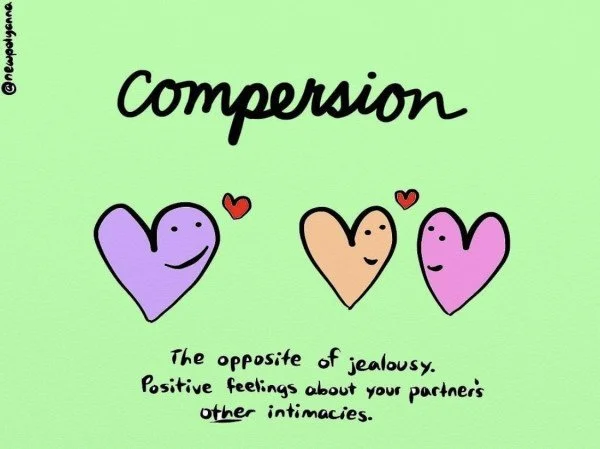
Have you ever felt like you don't quite fit into the box of "monogamous" or "polyamorous"? You're not alone.
Monoflexibility describes a relationship orientation that sits on a spectrum between strict monogamy and polyamory. If you feel most at home in one style of relating, but you're not completely opposed to trying something different, you might be monoflexible.
This term offers an alternative to rigid relationship categories. It acknowledges a truth that many people experience but don't have language for: that monogamy doesn't have to be all or nothing.
Between traditional monogamy and full non-monogamy, there exist numerous relational possibilities. Just as sexual orientation exists on a spectrum, so do relationship preferences. Some people are firmly monogamous, some are firmly polyamorous, and many find themselves somewhere in between.
Monoflexibility validates those who live in that in-between space. It says: you don't have to pick a side. You can honor where you are right now while remaining open to where your heart might take you.
One of the most liberating aspects of this concept is that it normalizes change. Your relationship preferences can evolve throughout your lifetime. What felt right in your twenties may not fit in your forties, and that's perfectly okay.
The key is approaching these shifts with integrity, consent, and honesty. Authenticity in relationships means being truthful about where you are and what you need--not performing a fixed identity.
The term "monoflexible" was coined by Skyspook and arco-pluris (writing under pseudonyms) and has been documented since at least 2011. Having language for our experiences matters enormously. It allows us to communicate more precisely, find community, and feel less alone in our experiences.
By normalizing plurality, fluidity, and going beyond identity binaries, we create space for more people to show up authentically in their relationships.
If this resonates with you, share it with someone who might find this language meaningful. Sometimes just having a word for what we're experiencing can be the beginning of a deeper journey.
Curious where you fall on the relationship spectrum? Take our Relationship Style Quiz to explore your preferences, or read our complete guide to ethical non-monogamy.

Scan to download
Comments
Join the conversation — create a free account to comment.
Join the conversationLoading comments…