
KINK
Adaptive BDSM, Disability & Collaborative Intimacy
What Kink Has Taught Me About Accessible Relationships, Whether Your Monogamous, Polyamorous, or Somewhere in the Middle
What Kink Has Taught Me About Accessible Relationships, Whether Your Monogamous, Polyamorous, or Somewhere in the Middle
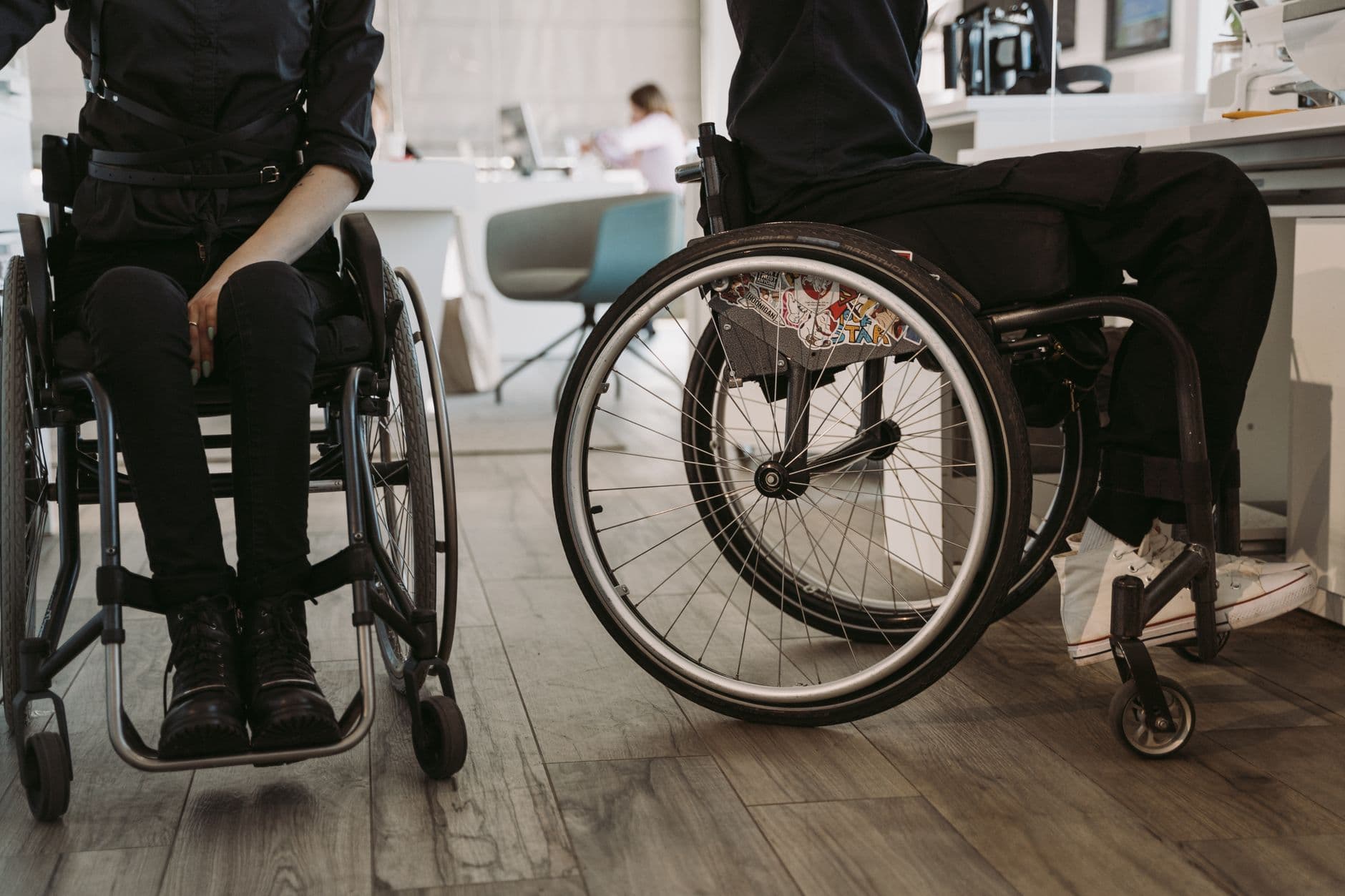
Photo by MART PRODUCTION on Pexels
When most people hear the word BDSM, they think about power, pain, or control. While those things may exist within consensual kink dynamics, I think one of the most overlooked aspects of healthy BDSM is how collaborative it can be, especially for disabled people.
For many of us, kink isn’t just erotic, it can also be deeply collaborative and integral to accessibility. Healthy kink communities often discuss things many couples never think to ask before intimacy. Conversations about medications, chronic pain, surgeries, mobility, mental health triggers, sensory needs, and boundaries are often considered part of scene negotiation before anyone ever begins to play.
Before anyone plays, everyone collaborates.
That is a level of intention, care, and consideration we can bring into every relationship, not just the kinky ones. One of my favorite examples of how care can become part of the dynamic is task pairing, blending the kink dynamic with your health responsibilities. Imagine your Dominant saying,
“Have you taken your medication, babygirl?”
“Go drink some water, my pet.”
“Daddy says stretch those hips.”
“Good boy... go eat something for me.”
“Use your mobility aid for Mommy, love.”
“Mistress would like an update after therapy.”
See how the care itself becomes a cute, sensual part of the negotiated dynamic? Accessibility can become part of play instead of something that interrupts it. Medication, hydration, meals, stretching, physical therapy, mobility exercises, and rest can all become lovingly negotiated rituals within a kink dynamic.
One of my former Dominants once gave me the daily task of sending him a 60-second voice note every day, saying positive things about myself while I was in a major depressive episode. I still think about that type of dominance and care often and how seen and considered it made me feel.
Accessibility and play don’t have to compete.
You don’t have to wait until you’re “100% healed” before participating in kink… honestly, most disabled people never feel one hundred percent. The goal isn’t perfection. The goal is finding partners who adapt the dynamic to include you instead of forcing you into someone else’s template or their own default.
One myth I hear often is that disabled people shouldn’t participate in BDSM. I couldn’t disagree more.
Physical disabilities, mental disabilities, and neurodivergence do not automatically disqualify someone from kink.
Safe words can interrupt panic attacks, scenes can include grounding techniques, tasks can support depression. Negotiated dynamics can create emotional safety, not just physical safety.
Another beautiful thing about adaptive BDSM is recognizing that disabilities change and so can power exchange. Some days your submissive can’t kneel, some days your Dominant doesn’t have the energy to lead… and some days neither of you has the capacity for the scene you originally planned.
Adaptive BDSM asks,
“What feels possible today?”
Adapting your BDSM journey to you doesn’t make you less Dominant or less submissive and adaptation doesn’t equal inadequacy.
The Same Philosophies Can Be Applied to Aftercare
Aftercare isn’t measured by minutes, it’s measured by needs. Some disabled bodies and nervous systems simply need longer. Recovery deserves just as much intention as the scene itself and aftercare is not one size fits all. For some people, aftercare ends when the scene ends and for others, it continues the next morning with a phone call, a text message, breakfast together, or simply making space to process emotions.
Please do not make someone feel like they are “too much” for needing continued care. They just allowed you very intimate access to their body, do not disrespect that access by disregarding their feelings.
Long-distance Dynamics Deserve Aftercare Too
Phone intimacy.
Video scenes.
Digital submission.
Remote dominance.
These deserve the same level of consideration as in-person play.
Just because you aren’t in the same room doesn’t mean someone isn’t placing trust in your hands, emotional safety still matters.
One of the most powerful lessons I ever learned about consent came from a long-distance dynamic. I didn’t realize how much aftercare mattered until a sweet, caring, emotionally intelligent Dom stayed on the phone with me until I fell asleep. Then texted me the next morning. AND checked on me again later that afternoon. For the first time, I experienced what it felt like to matter after the scene ended. That’s when I learned something I’ll never forget:
Consent isn’t just permission, it’s consideration.
Sub Drop is another area where accessibility deserves more attention.
Sub drop is the physical and emotional crash that can happen after a BDSM scene. It may include sadness, exhaustion, crying, shame, emotional numbness, feelings of worthlessness, or disconnection. For disabled people, especially those living with anxiety, depression, PTSD, or recovering from self-harm, it can feel even more intense.
Mental safety deserves just as much attention as physical safety. If your play partner experiences anxiety, depression, PTSD, suicidal thoughts, or is recovering from self-harm, aftercare should never be treated as optional.
A scene involving restraints, degradation, intense vulnerability, or emotional exposure deserves thoughtful processing afterward. A good Dominant doesn’t just create intense experiences, they also create safe places to land afterward. That may include multiple check-ins, phone calls, slowing future scenes, processing emotions together, and offering consistency.
*Note: Dominants also need aftercare and experience Dom or Top Drop as well. More on that in future post.
Accessibility also includes sensory needs. Some people need silence after a scene, others need dim lighting, weighted blankets, different textures, or less physical touch. Disabled nervous systems deserve aftercare too.
In addition to sensory needs, there also needs to be an understanding that just because I need a pillow under my knees that doesn’t automatically make me less skilled as a submissive.
It doesn’t mean I can’t handle intense impact.
It doesn’t mean my BDSM is somehow less real.
In fact, I’ve endured scenes that some able-bodied people probably wouldn’t choose.
This isn’t about comparison, it’s about challenging the assumptions people make about disabled bodies.
At the end of the day, healthy BDSM has taught me far more than dominance and submission. It has taught me curiosity, communication, negotiation, repair, trust, and accessibility. Every relationship could stand to learn more in those areas. To me, that’s collaborative intimacy; I don’t need someone who watches my body struggle, I need someone willing to collaborate with it. Relationships become safer when care is negotiated instead of assumed. Instead of asking, “Why can’t you do what you did yesterday?” try asking, “How can we adapt together today?”
Need support building communication and negotiation skills in your relationships? Consider working with an ENM-aware therapist or coach who can help you practice collaborative intimacy — and explore more about ethical non-monogamy at your own pace.
Original Post: Coach Tiff

Scan to download
Comments
Join the conversation — create a free account to comment.
Join the conversationLoading comments…