GUIDES
Open Relationship Boundaries: How Much to Share
How much should you know about your partner's other dates? Set open relationship boundaries on information, timing and check-ins that help you feel secure.
How much should you know about your partner's other dates? Set open relationship boundaries on information, timing and check-ins that help you feel secure.
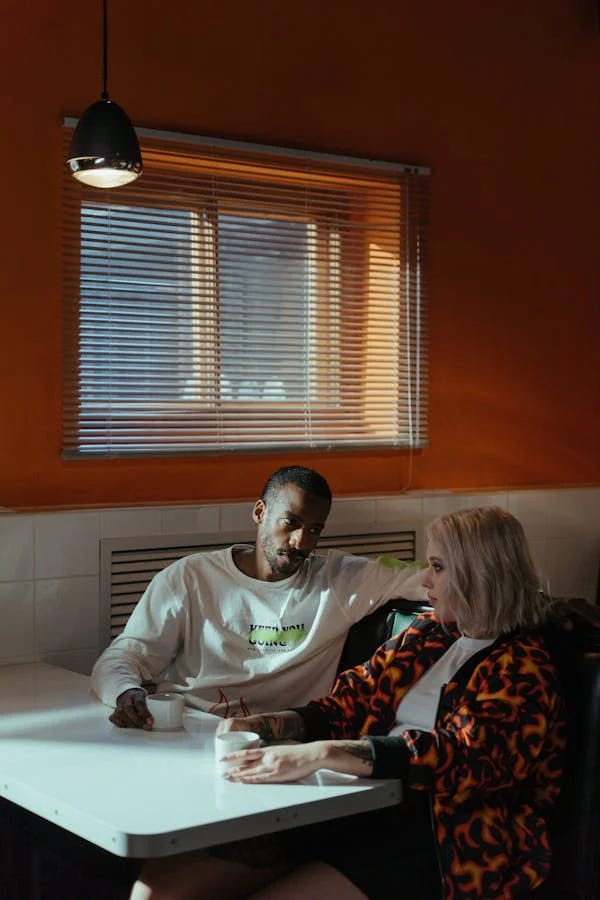
Let me share something deeply personal about designing open relationships - it's less about rules and more about creating a framework where everyone feels secure enough to thrive. I've learned (sometimes the hard way!) that knowing your information boundaries is absolutely crucial to making this work.
The Information Dance
Here's the thing about information in open relationships - it's not one-size-fits-all. Some people want to know every detail about their partner's other connections, while others prefer a "don't ask, don't tell" approach. Neither is inherently better; what matters is finding your sweet spot.
I remember when I first opened my relationship. I thought I wanted to know everything - every text, every date, every detail. Turns out, that was overwhelming and actually created more anxiety than security. Through trial and error, I discovered that I preferred knowing about first dates and any significant developments, but didn't need the play-by-play.
Finding Your Information Comfort Zone
Think of information flow like adjusting the temperature in your home. Too much information can feel like overheating, while too little might leave you cold and uncertain. The key is finding that comfortable middle ground where you feel secure but not overwhelmed.
Questions to consider: Do you want to know...
When your partner is chatting with potential new connections?
Before or after they go on dates?
If they become sexually intimate with someone?
Details about their experiences?
When feelings start developing?
Creating Your Information Framework
Here's what works for me and many others I know: establish clear protocols about what information gets shared, when, and how. Maybe you want a heads-up before any first dates. Perhaps you need to know if a casual connection starts becoming more emotional. Or maybe you just want to know enough to maintain sexual health boundaries.
It's worth settling this before either of you downloads anything. Once you have, my comparison of the best dating apps for open relationships covers which ones let you say you're partnered up front.
The Power of Timing
Timing can be everything. I've found that having designated check-in times helps manage the flow of information. This might be a weekly relationship check-in where you both share updates about other connections. It prevents that anxious feeling of wondering when new information might pop up, and gives you both space to process.
Red Flags and Green Lights
Pay attention to your emotional responses. If hearing about your partner's other relationships consistently triggers anxiety or distress, that's valuable information. Similarly, notice what makes you feel secure and connected - maybe it's knowing your partner always comes home to you, or having certain special rituals that remain just yours.
Setting Clear Boundaries
Be specific about what you need to know and what you don't. For example:
"I want to know if you're developing feelings for someone."
"I don't need to know the intimate details of your dates."
"Please tell me before you become sexually intimate with someone new."
"I'd like to know if you're planning overnight stays."
The Evolution of Information Needs
Here's something fascinating I've noticed - your information needs will likely change over time. What feels necessary to know at the beginning of opening up might feel less important as you grow more secure. Stay flexible and keep communicating about what's working and what isn't.
When Things Get Complicated
Sometimes, despite our best intentions, we hit rough patches. Maybe you accidentally learn something you weren't ready to know, or your partner shares too much/too little. These moments aren't failures - they're opportunities to refine your framework.
Building Trust Through Information Management
The goal isn't control for control's sake - it's about creating an environment where everyone feels safe enough to be honest. When partners know exactly what information is expected and how to share it, they're more likely to be truthfully open about their other connections.
Moving Forward
Remember that this is your relationship design - you get to create it in a way that works for you. Don't feel pressured to follow anyone else's model. Keep checking in with yourself and your partner(s) about what feels right.
The most successful open relationships I've seen are those where partners have found their sweet spot with information sharing. It's not about having perfect boundaries - it's about having honest conversations and being willing to adjust as you grow.
What's your experience with managing information in open relationships? How have you found your comfort zone? Let's share our stories and learn from each other! 💫
Remember - there's no universal "right way" to handle information in open relationships. The right way is what works for you and your partners, creates security, and allows everyone to thrive. Keep exploring, keep communicating, and most importantly, keep being honest with yourself about what you need. ✨
Need support navigating open relationship dynamics? An ENM-aware therapist or coach can help you and your partners develop clear communication frameworks and work through challenges together.

Scan to download
Comments
Join the conversation — create a free account to comment.
Join the conversationLoading comments…