FEATURED
Staying Connected When We Want Different Things
Part 2 of 2: On relational differentiation, healthy interdependence, and reimagining what we genuinely want and have the capacity to build together
Part 2 of 2: On relational differentiation, healthy interdependence, and reimagining what we genuinely want and have the capacity to build together
A little invitation to gather online before we begin…
If you’re longing for a place where you can feel a little more seen and understood this holiday season, come be held in community on December 8 at 5pm Pacific.
Our next Resourced Relating Practice Lab is an exploration of belonging and an opportunity to practice vulnerability with other kindhearted souls navigating the challenges and joys of non-monogamy.
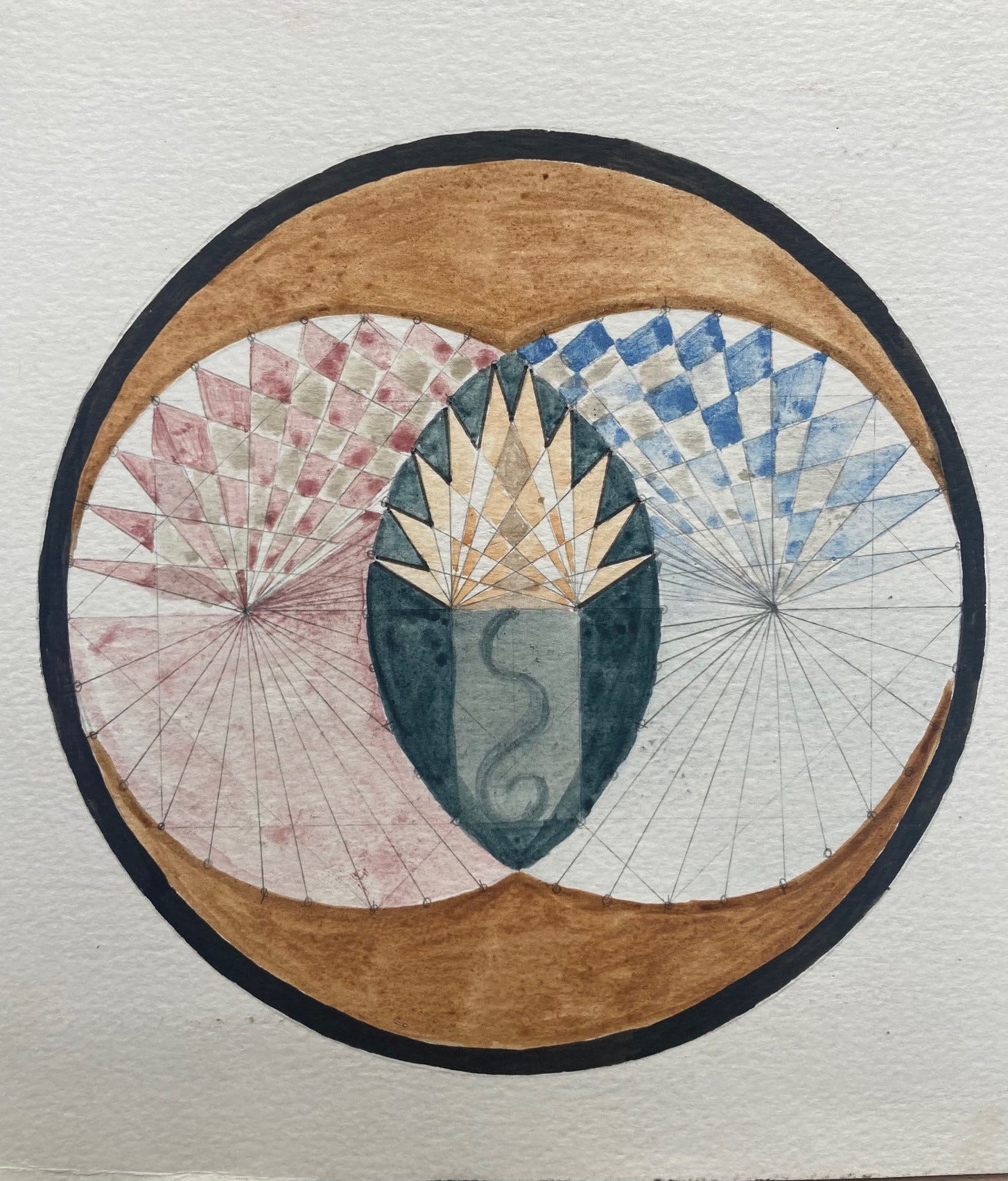
Nicole Frobusch, Untitled
In part 1 of this two-part essay, Autonomy and Relational Responsibility Can Coexist, we explored how our protective parts can turn differences in needs into struggles over freedom, care, and whose needs get to matter.
But even when we recognize these patterns and understand each other’s needs, we might still want different things.
It’s common for one person to want more spontaneity and freedom to pursue and deepen connections, while their partner wants more predictability and reassurance about how their existing relationship will be cared for.
Or maybe we’re someone who wants more intimacy and our partner wants more solo time for themselves. Even when we can logically understand where each other is coming from, and agree that no one is wrong in their preferences, we can still feel disappointed, frustrated, or afraid.
This is where the deeper work of relational differentiation begins: learning to stay connected to ourselves and to each other, even when our needs and desires differ.
Because sometimes we can understand each other perfectly well and still not be able to give each other what we want.
So how do we stay connected when understanding each other doesn’t make the difference go away?
Original Post: Aria Diana

Scan to download
Discussion
Join the conversation — create a free account to comment.
Join the conversationLoading comments…